
Primary research
Data from the market, not the internet
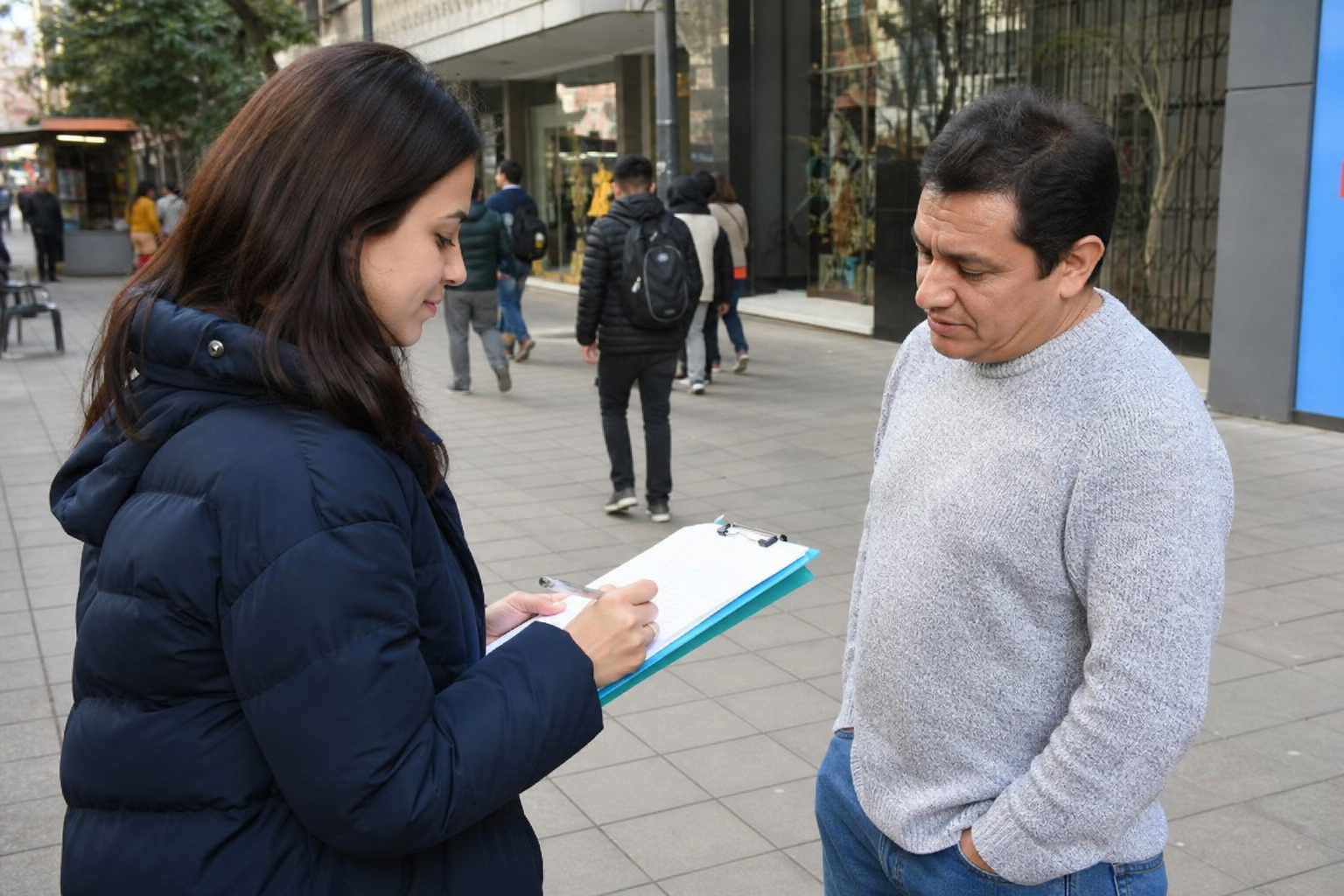
We run structured surveys, trade interviews, and pricing scans—sample sizes and methods are documented so boards can trust the conclusions.
Research supports entry into new postcodes, product line extensions, and acquisition targets. ABS and industry data supplement field work where appropriate.
| Method | Use case | Typical sample |
|---|---|---|
| Trade survey | Pricing and capacity | 40–120 respondents |
| Customer intercept | Concept testing | 200+ in target area |
| Executive interview | B2B demand validation | 15–25 decision makers |
Is participant data anonymised?
Yes—consistent with Australian Privacy Principles; consent captured in instruments.
Do you cover consumer and B2B samples?
Both—method depends on whether you sell to households, trade customers, or enterprises.
How are surveys fielded?
Online, phone, or intercept depending on audience; method is documented in the final report.
"The trade interviews surfaced capacity constraints we never saw in desktop data—that changed our rollout sequence."
Research you can defend in the boardroom
We document sample design, response rates, and limitations—not just conclusions. ABS and industry data supplement field work when sample sizes would otherwise be too small.
Trade interviews capture pricing power and capacity constraints that desk research misses. Customer intercepts test concepts before capital is committed.
Outputs
Typical outputs include a board memo, data tables, and appendices with survey instruments or interview guides for audit trail purposes.
Geography and timing
Field work is scoped to the postcodes or trade areas that matter to your decision—not national samples when you only need three suburbs. Timelines account for seasonal trading patterns in retail and hospitality.
Commission research
Define the geography and question you need answered.